 Diag Drive
Limp Mode: What It Is, Why Your Car Went Into It and What to Do

SEO title: Limp Mode: Causes, Symptoms and What to Do
Meta description: Lost power or a car that won’t rev? Learn what limp mode means, common causes, what to do next and when to call a garage or recovery.
If your car has suddenly lost power, will not rev normally or seems stuck in one gear, it may have gone into limp mode. This is the car deliberately limiting power after detecting a fault. It can feel alarming, but it is a protective feature, not proof that the car is beyond repair.
Here’s how to recognise limp mode, what to do safely and how to find out what may have triggered it.
What is limp mode?
Limp mode, also called limp-home mode or fail-safe mode, is a restricted operating mode. The car’s engine control unit (ECU), or sometimes the gearbox controller, detects a fault and limits engine power or the gears available.
That might mean the engine will not rev much above a few thousand rpm, or an automatic gearbox stays in one gear. The exact behaviour varies by car. The aim is to reduce strain and, where possible, let you reach a safe place or garage. It does not guarantee that it is safe to keep driving.
How do you know it’s limp mode?
Drivers often notice a sudden change rather than a clear “limp mode” message. You might see:
- A sudden loss of power, especially when accelerating or climbing a hill.
- The engine refusing to rev beyond roughly 2,500–3,000 rpm. The limit varies between vehicles.
- An automatic gearbox staying in one gear, sometimes third.
- An engine, gearbox, DPF or other warning light, or a dashboard message.
A misfire or other fault can also cause poor acceleration, but limp mode often comes with a deliberate limit on power or revs. A warning light alone cannot confirm the cause. A fault code, a message stored by the car’s computer when it detects a problem, can help narrow it down.
Why do cars go into limp mode?
There are several possible causes. A code points towards an area to investigate, but does not necessarily prove which part has failed.
- Turbo or boost problems: A split hose, loose clamp, sticking wastegate or stuck variable-geometry turbo vanes can stop the engine getting the air pressure it expects. A classic code is P0299, which means the car detected lower turbo boost pressure than expected. It does not automatically mean the turbo needs replacing.
- Sensor faults: A faulty mass airflow (MAF) sensor, throttle-position sensor, or camshaft or crankshaft sensor can send incorrect information to the ECU.
- Gearbox problems: An automatic gearbox may restrict its operation if its controller detects a fault.
- Overheating: High engine temperature can prompt the car to reduce power. Treat a temperature warning seriously.
- Blocked DPF on a diesel: The diesel particulate filter (DPF) collects soot from the exhaust. If it becomes too restricted, the car may reduce power.
- Wiring or connector problems: A damaged wire or loose connector can interrupt a sensor signal and trigger a fault response.
What to do when it happens
- Stay calm and ease off the accelerator. Avoid hard acceleration, overtaking, towing or putting the car under extra load.
- Pull over somewhere safe. Don’t stop in a live lane. If you’re on a motorway or other fast road, follow the road signs and National Highways’ dashboard warning advice.
- Try one restart only if it’s safe. Switch off, wait about a minute and restart. Some limp modes temporarily reset this way, but the cause may still be present.
- If the restriction stays or returns, get help. If the car feels safe to control, drive gently only as far as a suitable garage or safe place. Otherwise, call recovery.
- Don’t keep clearing the warning and driving hard. Repeated resets won’t repair the fault and may make diagnosis harder.
How to diagnose limp mode at home
Reading the codes can help you understand what the car reported when the problem happened. It cannot confirm a repair or guarantee that a car is safe to drive.
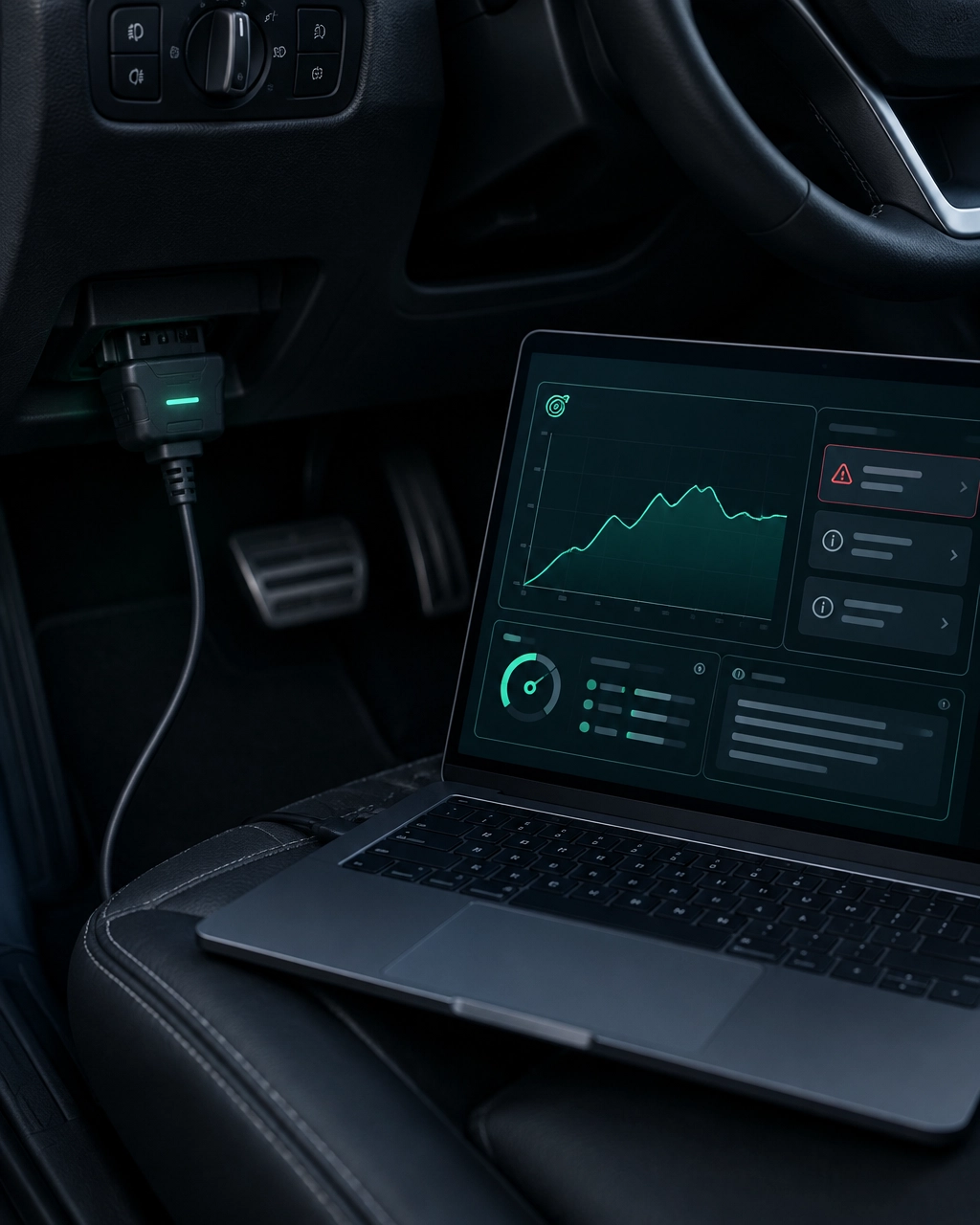
- Read and save all available codes. Don’t look at just the first one. Record the code status and any related engine or gearbox codes before clearing anything.
- Check freeze-frame data if available. This is a snapshot of readings, such as engine speed and temperature, from around the time the fault was recorded.
- Look at live data where available. Live data is information the car reports while running. For a suspected turbo issue, boost-pressure readings may help, if your vehicle exposes them.
- Compare the readings with the symptoms. A code such as P0299 is a clue to investigate the boost system, not an instruction to buy a turbo.
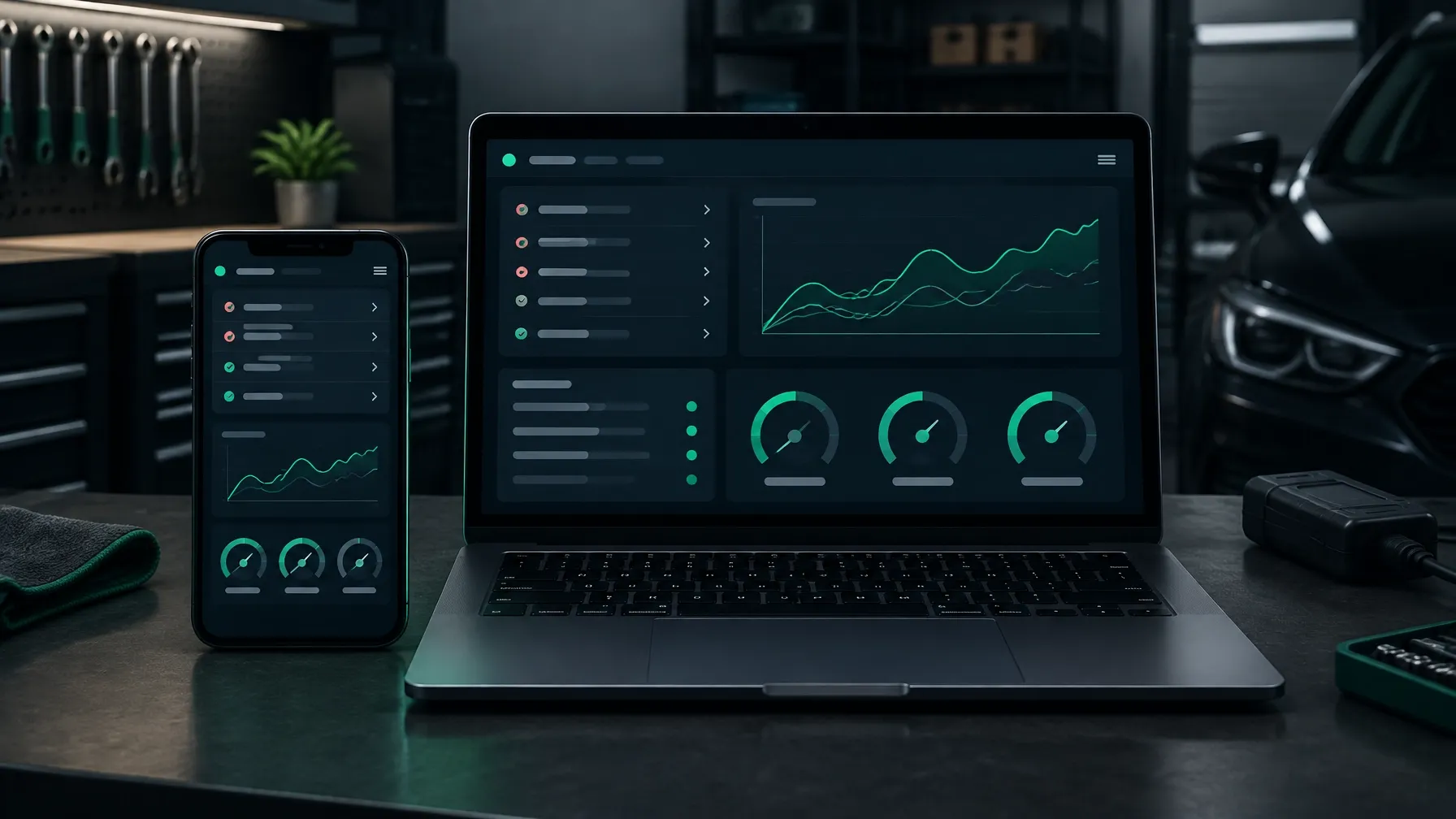
- Ask for a second explanation if you need one. Diag Drive explains codes in plain English and includes live data and graphs. Its AI mechanic can help you think through the symptoms too.
Diag Drive works with supported petrol cars from 2001 and diesel cars from 2004. On iPhone, the scanner uses Bluetooth Low Energy (BLE) or Wi-Fi ELM327 adapters; Android also supports classic Bluetooth adapters. USB adapters do not work with phones, but the Mac and Windows desktop app supports USB, Bluetooth and Wi-Fi adapters. The AI mechanic works without an adapter: describe the symptom, add a photo or record the noise. Diag Drive includes 3 free diagnoses; DIY is £1.99 a week and Pro is £4.99 a week.
Want to check what your car has stored? Get Diag Drive.
Some gearbox and manufacturer-specific faults need specialist equipment, so a home scan may not show the whole picture. For a step-by-step guide, see how to read fault codes on any car. If the engine management light is on as well, our guide explains what it means and what to do.
What does it cost to fix?
The cost depends on what caused the limp mode. A loose or split hose may be a relatively small repair, while turbo or gearbox work can be much more expensive.
| Possible repair | Approximate UK cost |
|---|---|
| Hose or clamp repair, fitted | £50–£150 |
| Turbo or gearbox work | £500–£1,500+ |
These are rough examples, not a quote. Costs vary with the vehicle, parts and labour, and some faults require further testing. Get the cause diagnosed before replacing a turbo, gearbox or other expensive part. A fault code by itself is not enough to confirm what needs replacing.
When should you call for recovery?
Call recovery rather than continuing if the car is difficult to control, cannot safely keep up with traffic, or has any of these signs:
- An oil-pressure or temperature warning.
- Smoke, a burning smell or a severe knocking noise.
- A serious warning involving the brakes or steering.
- A loss of power that makes it unsafe to reach a garage.
If you’re unsure, stop somewhere safe and ask for professional advice. Check your vehicle handbook and follow the signs and instructions where you are.
Limp mode in vans
A van may enter limp mode when it is carrying a heavy load or towing, as extra load can put more demand on the engine and generate heat. Turbo or boost issues, sensor faults and a restricted DPF are all possible causes.
Don’t assume a loaded van just needs a restart. Save the codes and arrange a diagnosis, especially if the power restriction returns. If the van is too slow or unstable to drive safely, call recovery.
For a diesel DPF warning, see our guide to the DPF warning light and what it means.

Frequently asked questions
What is limp mode?
It’s a restricted mode that limits engine power or gearbox operation after the car detects a fault. It is designed to reduce strain, but it does not mean you can safely continue a long journey.
Can I drive in limp mode?
Sometimes you can drive a short distance gently to a safe place or garage, if the car remains controllable and there are no serious warning signs. Call recovery if it feels unsafe, overheats, smokes or makes a severe noise.
Will limp mode clear itself?
A restart may temporarily clear some limp modes, but the underlying fault may still be there. If the restriction returns, read the codes and get the cause checked rather than repeatedly resetting it.
How much does it cost to fix limp mode?
There is no single price because limp mode has many possible causes. A hose or clamp repair may be around £50–£150 fitted, while turbo or gearbox work can be £500–£1,500 or more. Diagnose first.
What causes limp mode in a van?
Possible causes include turbo or boost faults, sensors, gearbox problems, overheating and a blocked DPF on a diesel. Heavy loads or towing can make an existing problem more noticeable.
What to do next
If your car has lost power, get somewhere safe first. Then save the fault codes and have the cause checked before clearing them or replacing parts. If the warning returns or the car doesn’t feel safe to drive, contact a garage or recovery service.