 Diag Drive
DPF Warning Light: What It Means and How to Clear It (Without a £1,000 Bill)
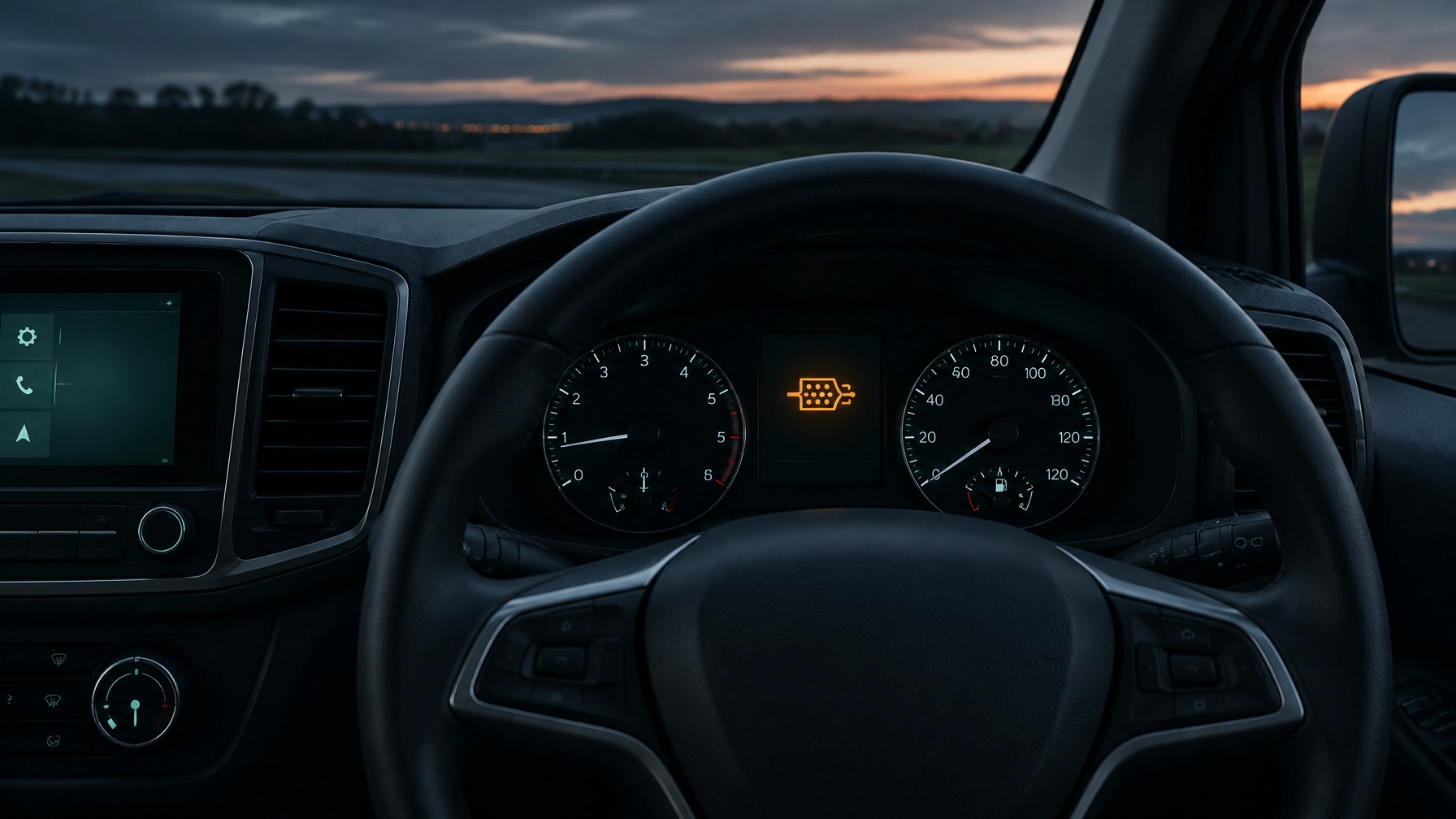
A DPF warning light means your diesel’s soot filter is getting blocked because it hasn’t been able to clean itself. If the car is otherwise driving normally, a proper drive may let it regenerate. Ignore the warning, though, and you could end up needing garage work that costs much more.
What the DPF actually does
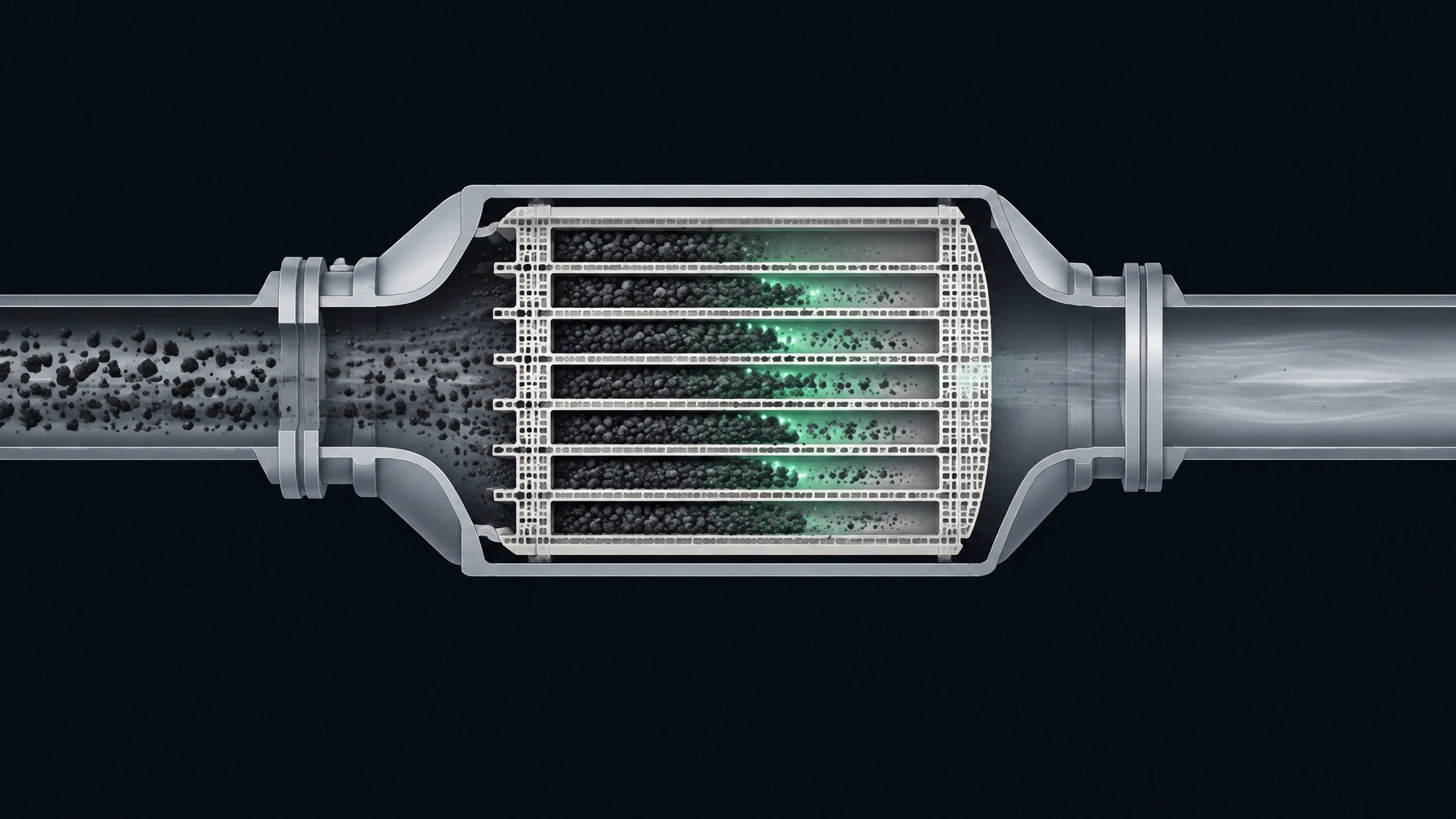
A DPF, or diesel particulate filter, sits in the exhaust of most UK diesels from around 2009, when Euro 5 emissions rules became common. It traps soot before it leaves the exhaust.
The car needs to burn that soot off from time to time. This is called regeneration. It can happen passively when the exhaust gets hot during steady driving, such as on a motorway. Or the car’s engine control unit (ECU), its engine computer, can start an active regeneration by injecting extra fuel to raise the exhaust temperature.
Why the DPF warning light comes on
The light usually means soot is building up faster than the car can burn it away. Common reasons include:
- Lots of short, slow journeys. The exhaust may not get hot enough for regeneration to finish.
- A regeneration interrupted by stopping the engine. Frequent stops can prevent the process from completing.
- A nearly empty fuel tank. Some vehicles won’t start or finish regeneration if fuel is low.
- A sensor or related fault. The filter might not be the original problem. A faulty sensor can affect the information the car uses to manage regeneration.
- Ash build-up over time. Regeneration burns soot, but it does not remove ash. Ash accumulates as the filter ages and may eventually need professional attention.
A DPF warning does not prove that the filter itself needs replacing. The cause should be checked before you spend money on parts or cleaning.
What to do when the DPF light comes on
If the light is steady and the car feels normal, follow these steps:
- Check your handbook first. The warning symbols and regeneration instructions vary between cars. Follow the guidance for your make and model.
- Check the fuel level. If it’s low, refuel before trying the procedure in your handbook.
- If the handbook recommends it, take a steady drive. Many manufacturers advise driving with the engine fully warm at a steady road speed and higher engine revs for a period of time. A general example is around 40–60+ mph in a suitable lower gear for 15–20 minutes or more, but your car’s instructions take priority.
- Choose a safe route and obey speed limits. Don’t drive faster than conditions allow or use a motorway just to try to clear the light.
- Avoid stopping the engine mid-regeneration if you can do so safely. If the handbook says regeneration is in progress, let it finish where practical.
A steady drive can help when the car is able to regenerate. It won’t repair a failed sensor, remove ash or fix another engine problem. If the light stays on after following the handbook’s procedure, or comes back soon after, arrange a proper diagnosis rather than repeating the drive.
For a related warning about exhaust emissions, see our guide to the P0420 fault code.
When it’s more serious
Stop treating the warning as a routine regeneration if it starts flashing, another warning light appears, or the car loses power and enters limp mode. A reduced-power setting that can limit how the car drives. Smoke, unusual noises or other worrying symptoms are also reasons to seek help.
A filter that is too blocked for the car to clear itself may need a forced regeneration. This is a controlled procedure carried out at a garage using diagnostic equipment. It isn’t suitable for every car or every cause of blockage, so a technician should check the car first.
If your engine management light is on as well, our guide explains what it means and what to do.
How a scan can tell you more than the light
The dashboard light tells you there’s a problem, but not necessarily why it’s there. A diagnostic scan can read the car’s stored fault codes, messages the car saves when it detects an issue, which may help narrow down what needs checking.
Two diesel-related codes you may see are:
- P2002: the car thinks the particulate filter is not working efficiently enough.
- P2463: the car has detected soot accumulation in the filter.
These codes are clues, not proof that the DPF itself has failed. A garage may need to check the cause and interpret the readings alongside the symptoms.
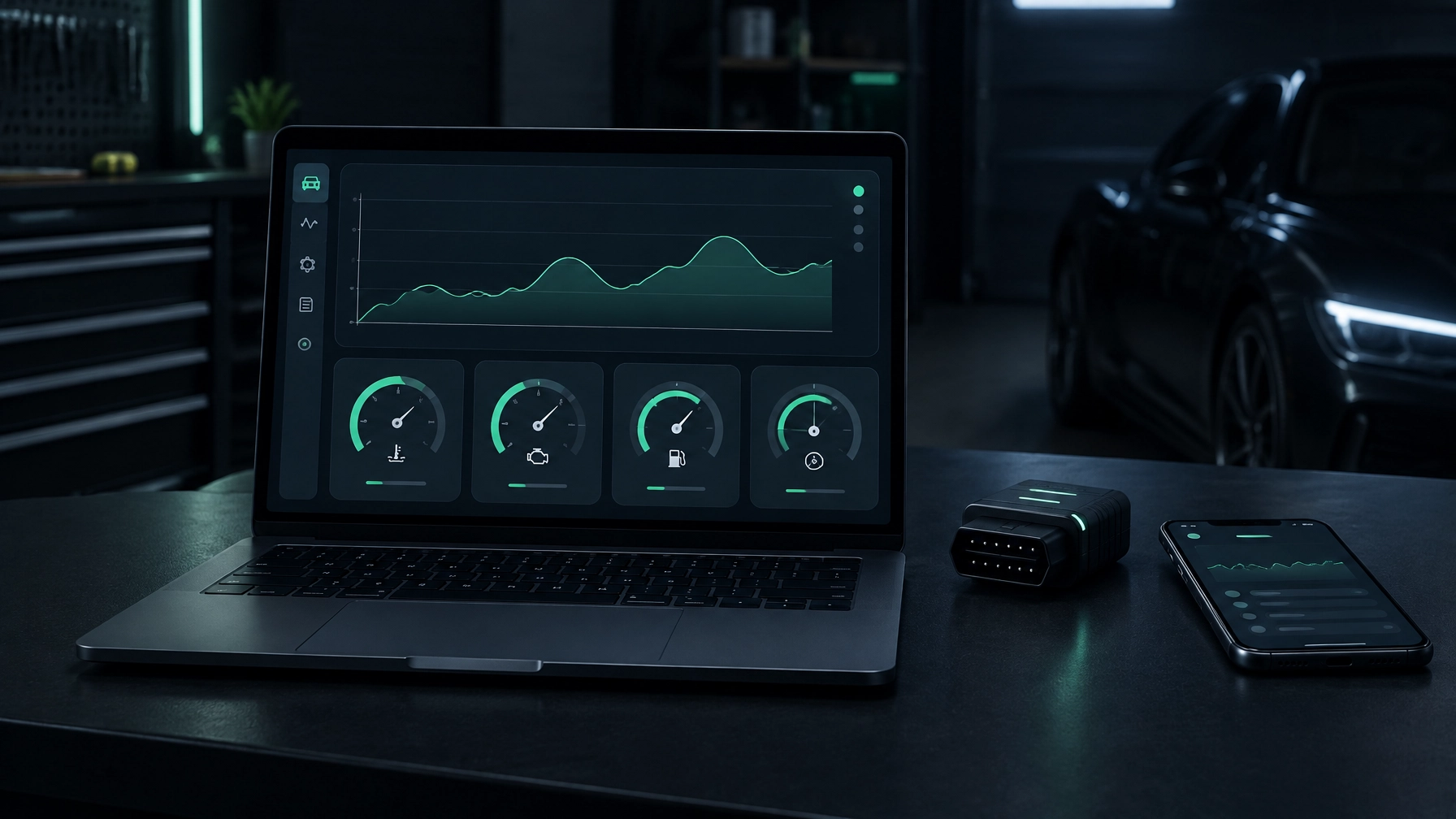
Diag Drive can read fault codes and explain them in plain English. Its live data and graphs can help you watch DPF-related readings such as soot load, exhaust temperatures and differential pressure, the pressure difference across the filter, where your car exposes them.
Diag Drive’s AI mechanic can also help you think through what to check next. Describe the symptom, add a photo or record the noise; the AI mechanic works without an adapter.
Get Diag Drive to check your car’s codes and available live data. Its scanner works with Bluetooth or Wi-Fi ELM327 adapters on iPhone; Android also works with classic Bluetooth adapters. USB adapters don’t work with phones. The Mac and Windows desktop app works with USB, Bluetooth or Wi-Fi adapters.
If you want a step-by-step introduction, read how to read fault codes on any car without a garage visit.
DPF removal: why you shouldn’t do it
Don’t remove or delete the DPF. If a car was fitted with one when new, removing it is illegal and it will fail its MOT if the missing or tampered-with filter is identified. GOV.UK explains the rules for diesel particulate filters. The MOT inspection manual also treats missing or obviously modified emissions equipment as a defect.
Removal can create further problems with resale and insurance. It also avoids dealing with the cause of the blockage, which may still affect how the engine runs.
DPF costs, honestly
Prices depend on the car, the cause of the problem, parts and labour. As rough UK guides:
- A handbook-recommended drive: no repair cost, if it works and is safe to do.
- Garage forced regeneration: around £80–£200, where appropriate.
- Professional DPF clean: often a few hundred pounds; around £150–£500 is a broad guide.
- DPF replacement: often £1,000 or more, and some vehicles cost several thousand pounds.
These are estimates, not quotes. Ask the garage what testing supports its recommendation and whether it has checked why regeneration failed. Cleaning or replacing a filter without fixing the underlying problem can leave you with the same warning again.
DPF warning light FAQs
Can I drive with the DPF light on?
If it’s a steady light and the car drives normally, check the handbook and follow its instructions. If the light flashes, the car loses power or other warning lights appear, contact a garage or recovery service for advice.
How do I clear the DPF light myself?
If your handbook recommends a regeneration drive, follow its exact procedure on a safe route. Don’t simply clear the warning with a scanner: clearing a code does not remove soot or fix the cause.
Will the DPF light clear itself?
It may go out once a successful regeneration has reduced the soot level, but that isn’t guaranteed. If it stays on or returns, get the cause checked.
How much does a DPF clean cost?
A professional clean can cost a few hundred pounds. The exact price depends on the vehicle and the work involved, so get a quote before agreeing.
Will a removed DPF fail an MOT?
Yes, if the car was fitted with a DPF when new and the filter is missing or has been tampered with. It is also illegal to remove it from a car that requires one.
What to do next
Check your handbook, make sure the fuel level is suitable and follow the car’s specific advice. If the warning doesn’t clear, comes back or is joined by other symptoms, get a diagnosis before paying for a clean or replacement.
SEO title: DPF Warning Light: Causes, Fixes and UK Costs
Meta description: DPF warning light on? Learn why it appears, when a safe drive may help, when to see a garage and what DPF cleaning or replacement may cost.