 Diag Drive
ABS Warning Light On: What It Means, Whether You Can Drive and How to Fix It
SEO title: ABS Warning Light: Causes, Driving and MoT
Meta description: Find out what an ABS warning light means, whether you can drive, common causes, MoT rules and how to check for ABS fault codes at home.
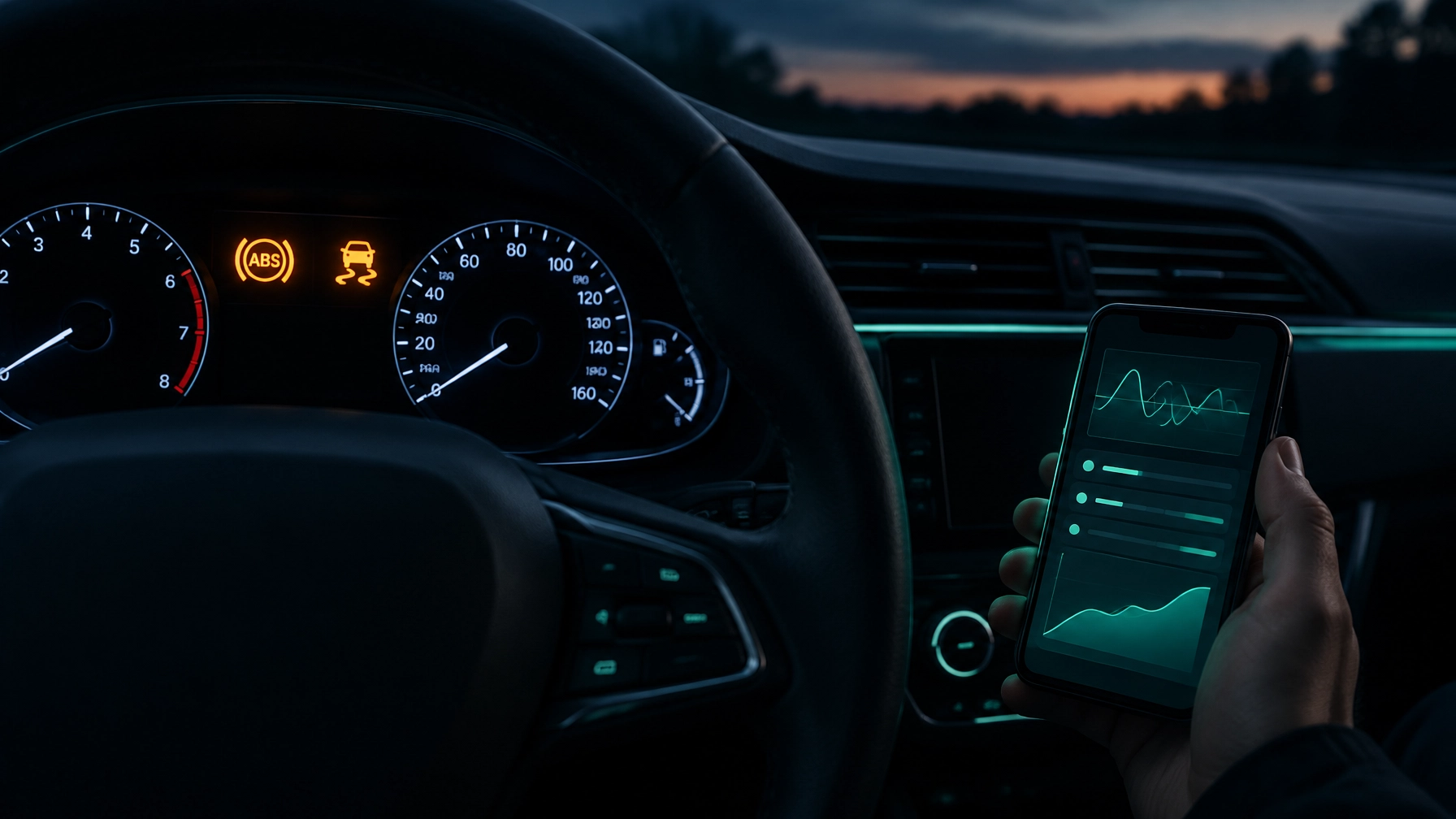
An ABS warning light means your car has detected a fault in its anti-lock braking system and may have switched that system off. Your ordinary brakes will usually still work, but the wheels may lock under heavy braking, making it harder to steer.
If the amber light is on by itself and the brakes feel normal, you can usually drive carefully to get the car checked. Don’t ignore it: the fault can affect emergency braking, and a persistent ABS fault is an MoT failure on cars where ABS is fitted and tested.
What the ABS light actually means
ABS stands for anti-lock braking system. It helps stop the wheels locking when you brake hard, so you can keep steering. If the system detects a fault, the warning light tells you that anti-lock assistance may not be available.
That is different from the brake warning light, which is usually red and can point to a problem with the braking system itself. A brief ABS light during the dashboard’s start-up check is normal; one that stays on or comes on while driving needs attention.
The traction control light is another warning. Traction control helps prevent wheelspin when accelerating. Because it can rely on information from the same wheel sensors as ABS, an ABS fault can sometimes switch traction control off too.
If the ABS light and red brake warning light are both on, stop somewhere safe and get help. This could point to a wider brake or hydraulic problem. Do the same if the pedal feels spongy or braking has changed.
Is it safe to drive with the ABS light on?
If it’s only the amber ABS light and your brakes feel normal, it’s usually possible to drive cautiously to a safe place or garage. The ordinary braking system will generally still work, but without anti-lock assistance the wheels could lock in an emergency stop. That can reduce your ability to steer, especially on a wet or loose road.
Allow more distance, brake earlier and gently, and avoid high speeds or hard braking where possible. Arrange a check promptly rather than continuing to use the car as normal.
A fault that keeps the ABS warning light on is a Major defect under the GOV.UK MoT inspection guidance. So, yes: it will normally fail the MoT when ABS is fitted and the system reports a fault. Clearing a code or switching off the light does not repair the problem.
Common causes of an ABS warning light
A warning light does not identify the broken part on its own. Common causes include:
- Faulty wheel speed sensor: This sensor measures how fast a wheel is turning. A failed sensor is a common cause of an ABS warning.
- Damaged wiring or a corroded connector: Road salt and damp can damage or corrode connections, interrupting the sensor’s signal.
- ABS pump or module fault: The pump and control module manage the system. A fault here can need specialist diagnosis and repair.
- Low brake fluid or a blown fuse: Either can cause a warning, though a fluid issue can also be a sign of a more serious brake problem.
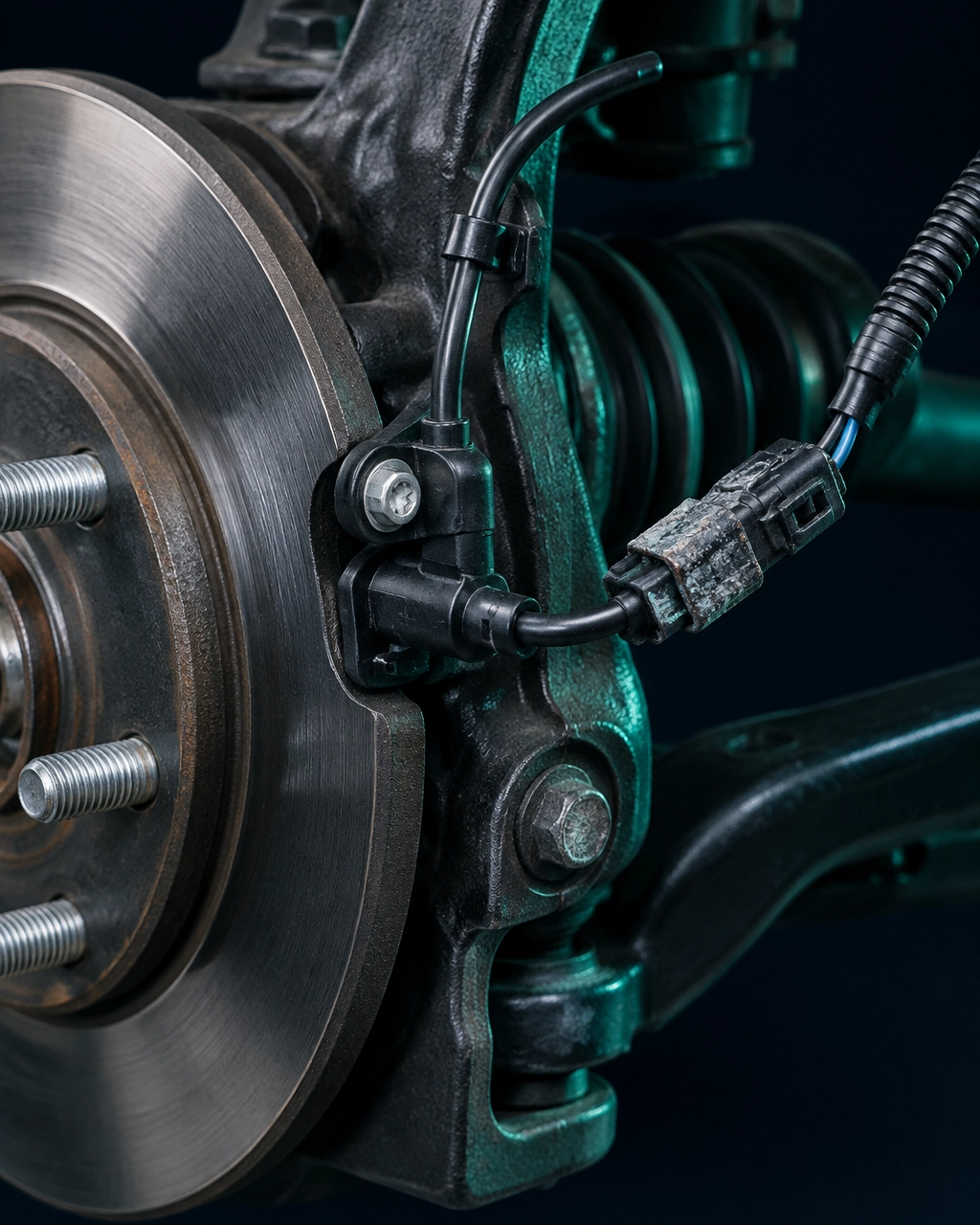
The same warning can have different causes on different cars. A scan can help narrow down where to look, but the result is a clue for diagnosis, not proof that a particular part needs replacing.
How to diagnose the ABS light at home
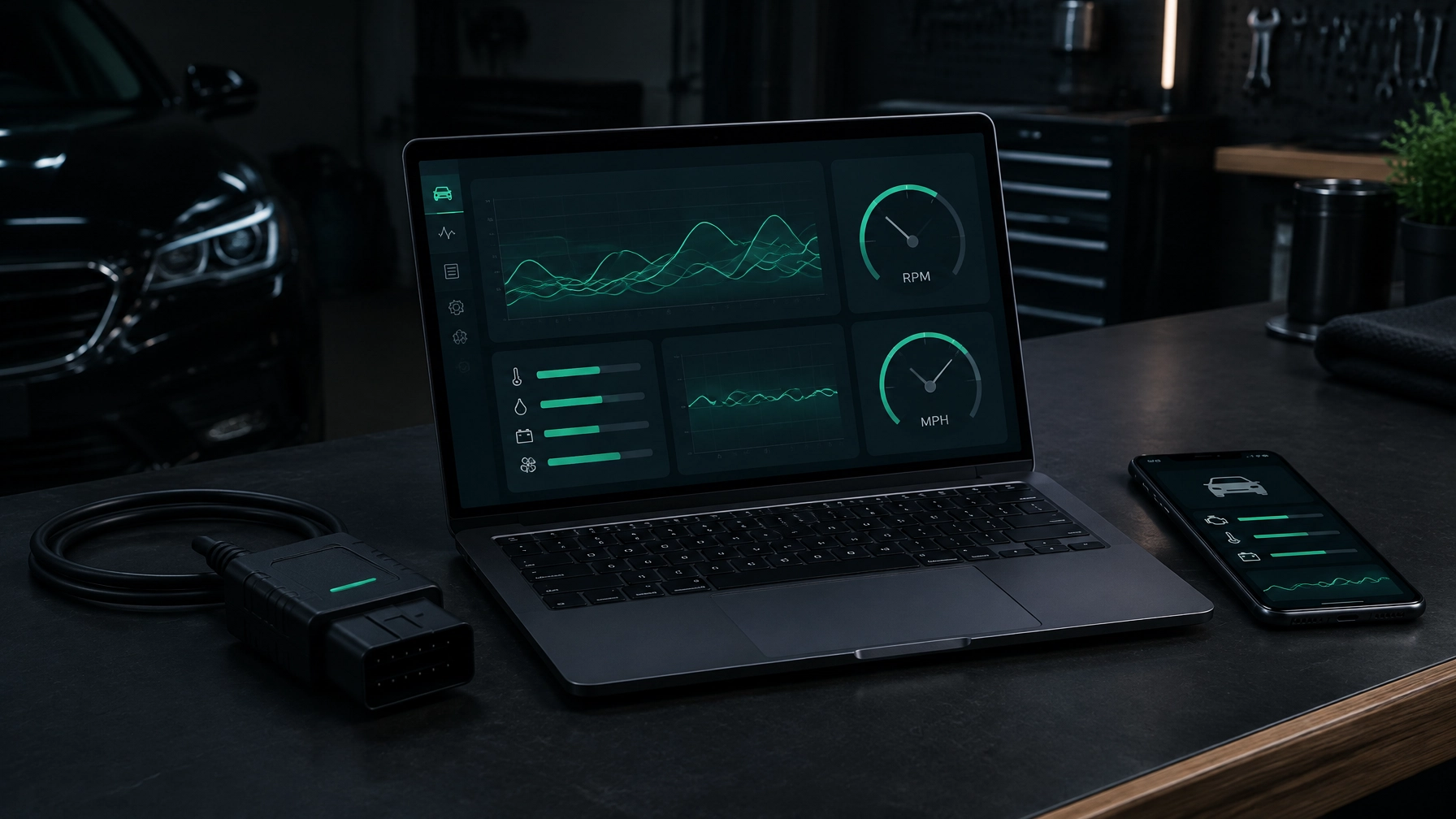
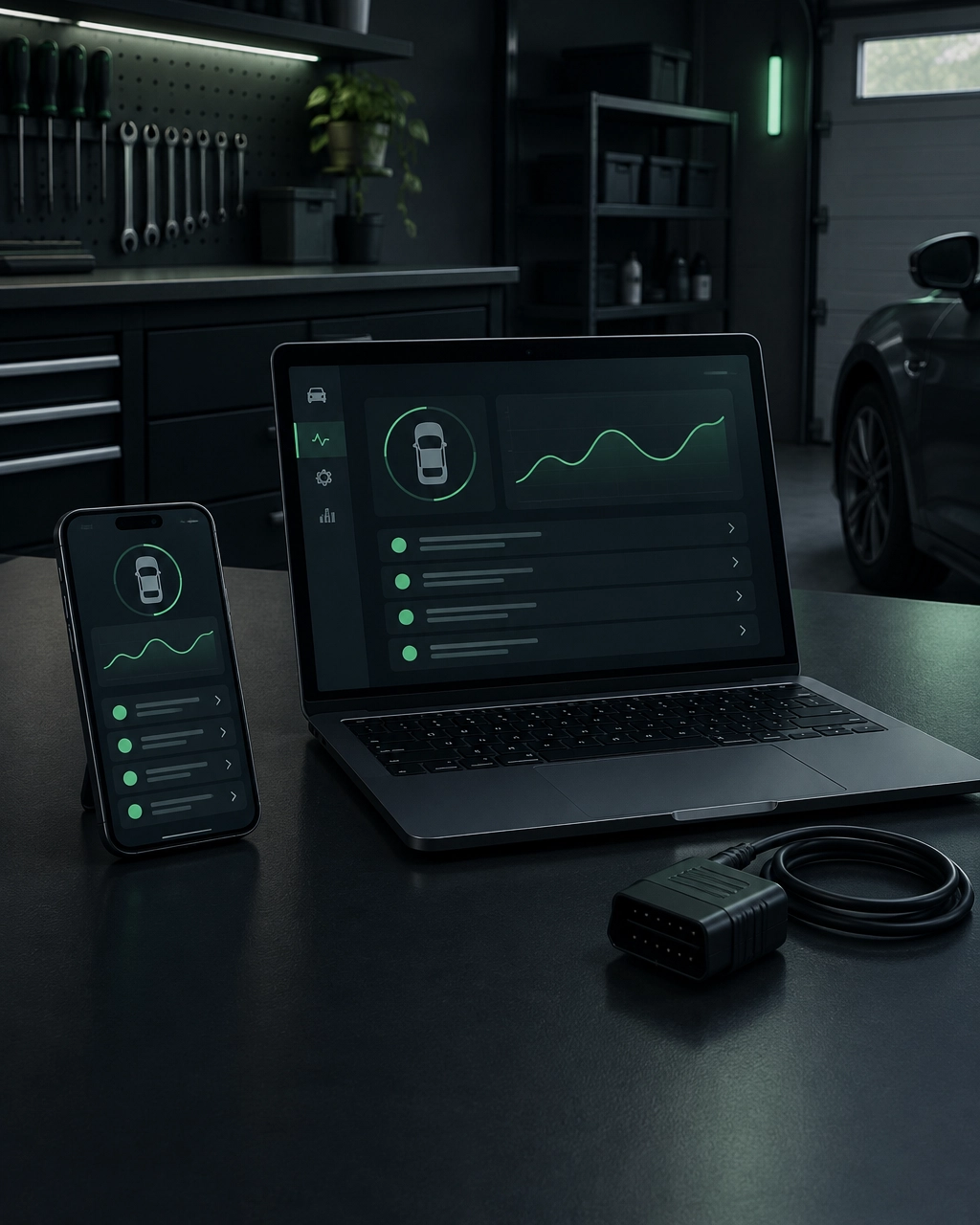
You can make a first check at home if you have a compatible adapter. Keep the car parked safely, apply the handbrake and follow the adapter instructions.
- Find the OBD-II port. OBD-II is the standard diagnostic connection. The port is usually under the dashboard on the driver’s side. Check your handbook if you can’t find it.
- Connect a compatible adapter. Plug it in gently. Don’t force it.
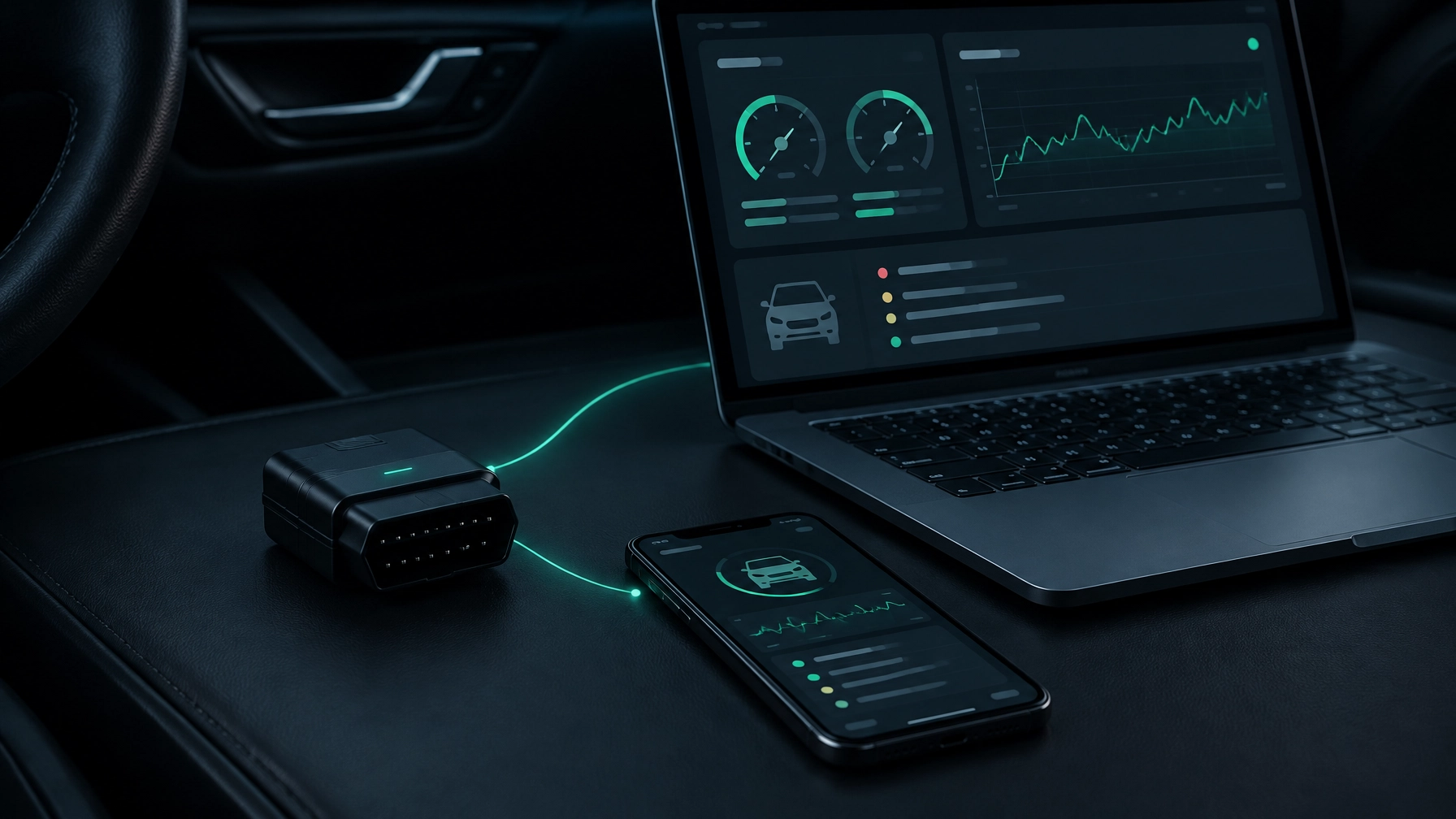
- Connect your device. On iPhone, use a Bluetooth Low Energy (BLE) or Wi-Fi adapter. Android also supports classic Bluetooth adapters. USB adapters do not work with phones; the Mac and Windows desktop app can use USB adapters.
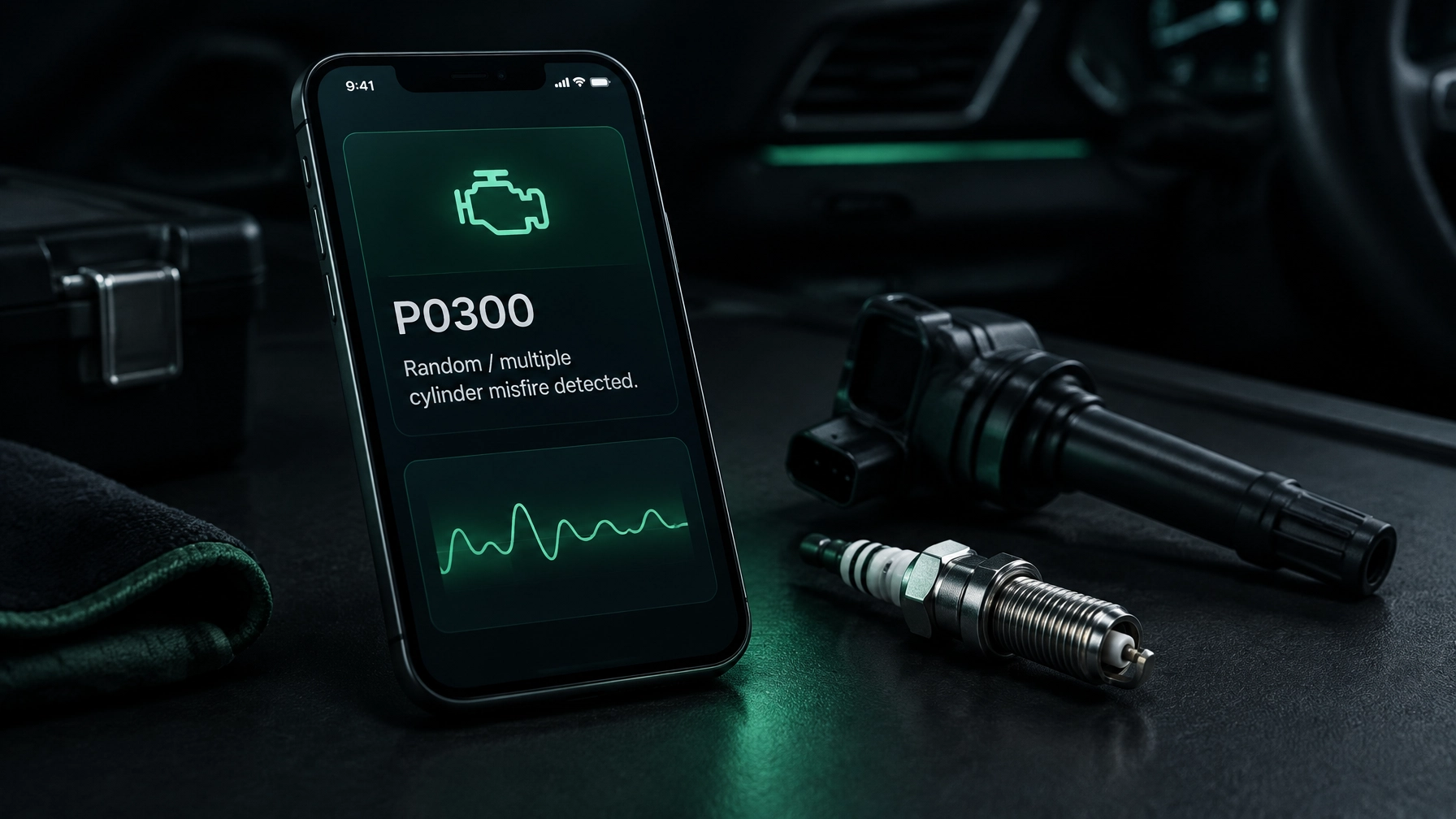
- Read the engine codes first. A basic generic OBD-II scan usually reads engine and emissions information. It may not show ABS faults.
- Check whether ABS codes are available for your car. ABS and other non-engine systems often need manufacturer-specific access. Diag Drive supports all-module scans, including ABS, airbag, transmission and body, on Ford Transit and BMW. Coverage varies by make and model, so an ABS scan is not guaranteed on every car.
- Save the results before clearing anything. Note the code and any extra information, such as freeze-frame data, a snapshot of readings from when a fault was recorded, if it’s available. Don’t assume a code names the failed part.
- Ask for help with the symptoms. Diag Drive’s AI mechanic works without an adapter. Describe what’s happening, add a photo or record the noise to get guidance on what to check next.
If you want help with the basic connection and code-reading process, see our guide to how to read fault codes on any car without a garage visit.
Want to check what your car can report? Get Diag Drive for iPhone, Android, Mac or Windows. It includes 3 free diagnoses; DIY is £1.99/week and Pro is £4.99/week. The app’s OBD-II scanner works with supported cars and compatible adapters, but ABS access depends on the vehicle.
Fixes and what they cost
The right repair depends on what testing finds. A garage may check the sensor, wiring and connections before deciding whether a part needs replacing. Avoid buying a sensor based on the warning light alone: damaged wiring or a connector could be the real cause.
As a rough UK guide, a wheel speed sensor replacement may cost around £50–£200 fitted, depending on the car and the work involved. Wiring repairs are often cheaper, while an ABS pump or module fault can cost much more. These are approximate ranges, not a quote. Ask the garage what the diagnosis has confirmed before agreeing to parts.
Will the ABS light fail an MoT?
Usually, yes. The MoT test checks the ABS warning device on cars where ABS is fitted. If the lamp shows a system malfunction, it’s a Major defect under the official MoT brake inspection rules.
Don’t clear the fault just to get the light off before the test. The underlying problem may remain, and the light can return. Get the cause checked and repaired first.
For more on other dashboard warnings, read our guide to the engine management light and what to do.
When to see a garage
Arrange a garage check promptly if the ABS light stays on. Stop somewhere safe and get help rather than driving on if:
- The ABS light comes on with the red brake warning light.
- The pedal feels soft or spongy.
- Braking performance has changed or the car pulls when braking.
- You notice a fluid leak or any other sign that the brakes are not working properly.
An adapter can help you understand what the car has reported, but it cannot confirm that the brakes are safe or carry out a repair. If you’re choosing diagnostic equipment, our honest guide to OBD2 scanners in the UK explains what to look for.
Frequently asked questions
Can I drive with the ABS light on?
Usually, if it’s the only warning and the brakes feel normal, you can drive carefully to get the car checked. Allow more stopping distance and avoid hard braking. Stop and get help if the red brake light is also on or braking feels abnormal.
What is the most common cause of an ABS light?
A faulty wheel speed sensor is a common cause. Damaged wiring or a corroded connector can create a similar problem, so the cause needs checking before replacing parts.
Will the ABS light fail an MoT?
Usually, yes, if the car has ABS and its warning light shows a fault. The MoT inspection classifies this as a Major defect.
Can I read ABS codes with a cheap scanner?
Not always. A basic generic OBD-II scanner often reads engine codes but may not access the ABS module. Access depends on the car and the scanner’s manufacturer-specific coverage.
Why are the ABS and traction control lights on together?
A fault affecting a shared wheel-speed signal can trigger both lights. The car may disable traction control as well as anti-lock braking. A scan and, where needed, a garage inspection can help identify the cause.
Next steps
If the ABS light is on, first check whether the red brake warning light is on too and whether the pedal feels normal. If anything about the braking feels wrong, stop safely and arrange help. Otherwise, drive cautiously to a garage or use a compatible scan to find out whether your car exposes ABS fault information.